

Transmission fluid is essential for keeping your vehicle's transmission lubricated, cool, and operating properly. When a leak develops, the fluid level can gradually drop and potentially cause increased friction, overheating, and accelerated wear on internal components. Transmission leaks can sometimes start small and go unnoticed until more serious symptoms develop. Recognizing the warning signs early can help you have the problem repaired before it leads to major transmission damage. At Red Line Transmission, we provide expert transmission fluid leak repair in the greater Boise area. Here’s a look at four warning signs of a transmission fluid leak. Fluid Spots Under Your Vehicle One of the most obvious signs of a transmission leak is finding fluid underneath your parked vehicle. Transmission fluid may appear red, pink, brown, or darker depending on its age and condition. The location of the fluid can provide a clue, but other vehicle fluids can also leak onto the ground. If you notice an unexplained puddle or recurring spots, have the vehicle professionally inspected to determine the source. Low Transmission Fluid A transmission that is losing fluid through a leak may eventually develop a low fluid level. Some vehicles have a transmission dipstick, while others require specialized procedures to check the fluid level. Low fluid can prevent the transmission from operating correctly and may increase heat and friction. If your fluid level is consistently low, simply adding more fluid isn't enough—the leak should be located and repaired. Delayed or Harsh Shifting Transmission fluid helps provide the hydraulic pressure necessary for smooth shifting. When fluid levels become too low, you may notice delayed engagement, hard shifting, hesitation, or slipping between gears. Continuing to drive with inadequate fluid can potentially worsen internal transmission damage. Burning Smell/Overheating A transmission leak can eventually lead to low fluid levels and increased operating temperatures. Excessive heat may cause transmission fluid to break down and produce a noticeable burning odor. You may also notice the transmission behaving differently after extended driving or while carrying heavy loads. A burning smell should be taken seriously because continued overheating can damage internal transmission components. Transmission Fluid Leak Repair in Boise For expert transmission fluid leak repair in Boise and the surrounding area, contact Red Line Transmission at 208-242-4896 . Feel free to give us a call to schedule an appointment for transmission services in greater Boise, ID!

A healthy suspension system does much more than provide a comfortable ride. It helps maintain tire contact with the road, improves steering and handling, and contributes to overall driving safety. The suspension consists of several components, such as shocks, struts, springs, control arms, bushings, and ball joints, all of which experience wear over time. When one or more of these parts begin to fail, your vehicle's performance and safety can suffer. At Red Line Transmission, our local mechanics provide expert suspension repair in the greater Boise, ID area. Here are four common warning signs of a suspension problem. Excessive Bouncing After Hitting Bumps One of the most obvious signs of suspension trouble is a vehicle that continues to bounce after driving over bumps. Healthy shocks and struts absorb impacts and quickly stabilize the vehicle. If your car continues to bounce several times after encountering a bump, your shocks or struts may be worn out. Excessive bouncing not only makes driving less comfortable—it also reduces your ability to maintain control. Uneven Tire Wear Suspension problems often cause tires to wear unevenly. Worn shocks and misaligned suspension components can prevent the tires from maintaining consistent contact with the road. You may notice excessive wear on one side of the tread. Addressing suspension issues promptly helps extend tire life while improving traction and handling. Pulling or Drifting While Driving If your vehicle pulls to one side or feels unstable while driving on a straight road, there may be a problem with the suspension or steering system. Worn suspension components can affect wheel alignment and reduce vehicle stability, making it more difficult to maintain a straight path. This issue can become especially noticeable during braking and cornering. Clunking or Knocking Noises Unusual noises coming from underneath your vehicle are often signs of worn suspension parts. Clunking, knocking, squeaking, or rattling sounds when driving over bumps may indicate worn bushings, ball joints, sway bar links, or other suspension components. These parts can loosen or deteriorate with age, allowing unwanted movement within the suspension system. A professional inspection can identify the source of the noise before more extensive damage occurs. Suspension Repair in Boise For expert auto repair in Boise and the surrounding area, contact Red Line Transmission at 208-242-4896 . Feel free to give us a call to schedule an appointment for auto repair or maintenance in greater Boise, ID!

Your vehicle's automatic transmission is one of its most complex and important systems. It’s responsible for transferring power from the engine to the wheels while automatically selecting the appropriate gear for driving conditions. Because transmissions contain numerous moving parts and sophisticated controls, many drivers have questions when problems arise. At Red Line Transmission, our local mechanics are happy to answer your questions about automatic transmission repair in the greater Boise area. What Are Common Symptoms of Automatic Transmission Problems? Some of the most common symptoms of automatic transmission trouble include delayed shifting, slipping gears, hard or jerky shifts, unusual noises, fluid leaks, and warning lights on the dashboard. Drivers may also notice a burning smell or poor acceleration. Any of these symptoms should be inspected promptly to prevent additional damage. What Causes Automatic Transmission Failure? Transmission problems can result from a variety of factors, including low or contaminated transmission fluid, overheating, worn internal components, and lack of maintenance. Over time, normal wear and tear can also affect clutches, seals, solenoids, and other transmission parts. How Often Should Transmission Fluid Be Changed? The recommended interval for transmission fluid service varies by manufacturer and vehicle type. Many vehicles benefit from fluid changes every 30,000 to 60,000 miles, while some newer models may have longer service intervals. Regular fluid maintenance helps keep internal components lubricated and reduces wear. Can I Continue Driving With Transmission Issues? While a vehicle may still operate with minor transmission symptoms, it’s generally not advisable to continue driving once problems are noticed. Transmission issues often worsen over time and can quickly lead to more extensive damage. Early diagnosis and repair are typically far less expensive than what you’d have to spend if the problem escalates. What Happens During a Transmission Inspection? A professional transmission inspection may include checking fluid condition and level, scanning for diagnostic trouble codes, performing a road test, and inspecting for leaks or visible damage. Technicians use this information to help determine the cause of the problem and recommend appropriate repairs. Where Can I Get Automatic Transmission Repair in Boise? For expert transmission repair in Boise and the surrounding area, contact Red Line Transmission at 208-242-4896 . Feel free to give us a call to schedule an appointment for transmission services in greater Boise !
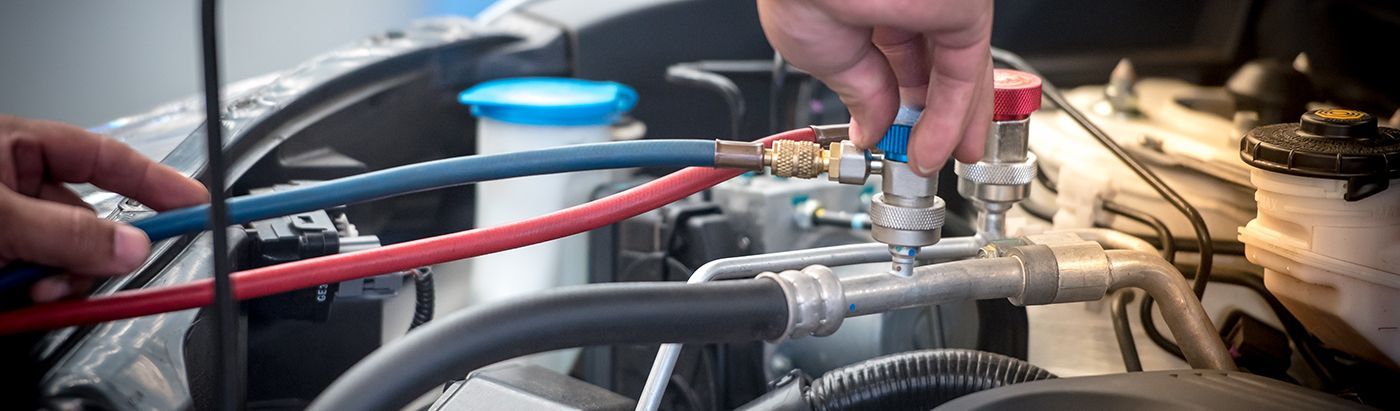
Learn about common cooling system issues that need urgent repair. Contact us for expert tree services today!

Get expert tree care, removal & maintenance services. Contact us for a quote today!
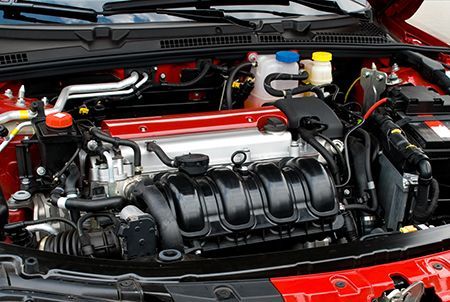
Learn to identify low transmission fluid signs for better vehicle health. Contact Red Line Transmission for expert service today!
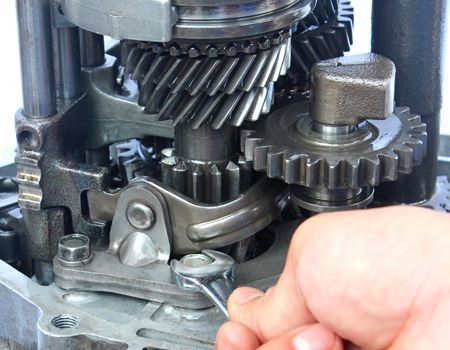
Learn key tips to prevent major transmission issues. Contact us for expert advice and maintenance solutions.
Stay current with tree care for health & safety. Contact us for expert tree services today!